
Germany, Trade and L-art

Updated: Apr 30
There is currently a great deal of discussion taking place in both politics and society. There is an urgent need for action in our country the problems are pressing. During my runs across the country, I have observed in my conversations with people a palpable sense of dissatisfaction and political disillusionment. Independent professionals the very citizens who serve as the pillars of our nation are drowning in a massive wave of bureaucracy that has been washing over the country for years, overwhelming them and diverting them from their actual work. Overregulation is a key term associated with this issue, a burden under which Germany’s healthcare and medical sectors are also groaning. How can a self-employed individual earn a living and develop new ideas when they are constantly hemmed in by forms and demands imposed by the state?
Politics in Germany
The German state takes its citizens by the hand, thereby stripping them of the will to exercise personal responsibility. Yet such responsibility is essential for the continued existence and further development of a community and of the citizens themselves. The expansion of mobility infrastructure, and the associated investments in rail transport, represent sound, forward-looking strategic decisions for Germany’s future. Mobility and its improvement constitutes a significant competitive advantage. Rail transport is low-emission and serves to reduce private vehicular traffic, which is predominantly harmful to the climate. As a major economic player within the EU, Germany’s future is inextricably linked to that of Europe. Self-serving interests and emerging unilateral actions in asylum and fiscal policy as well as the rise of right-wing populist parties within this framework could, however, tear this structure apart.
Above is the voice of Richard Cobden (1804–1865), a 19th-century British statesman, industrialist, and reformer. He was one of the most resolute advocates of free trade in history.
Trade as a Factor of Happiness
Trade and this reflects the very idea and conviction of the EU’s founding fathers must be facilitated between nations through a free trade zone. It is a fundamental prerequisite for intercultural understanding and serves as a bridge toward it. This principle is deeply rooted in history. Indeed, Marco Polo who hailed from a Venetian merchant family recognized this as early as the 13th century, traveling across Asia along the Silk Road and bringing back accounts from China. Even in the Middle Ages, this route connected religions and cultures, stretching from China to the very gates of Europe. In my view, such a bridge represents a tremendous asset, for it transcends walls and borders. In doing so, it paves the way for the emergence of new visions. The Silk Road is currently experiencing a renaissance.

Art and Vision through L-art
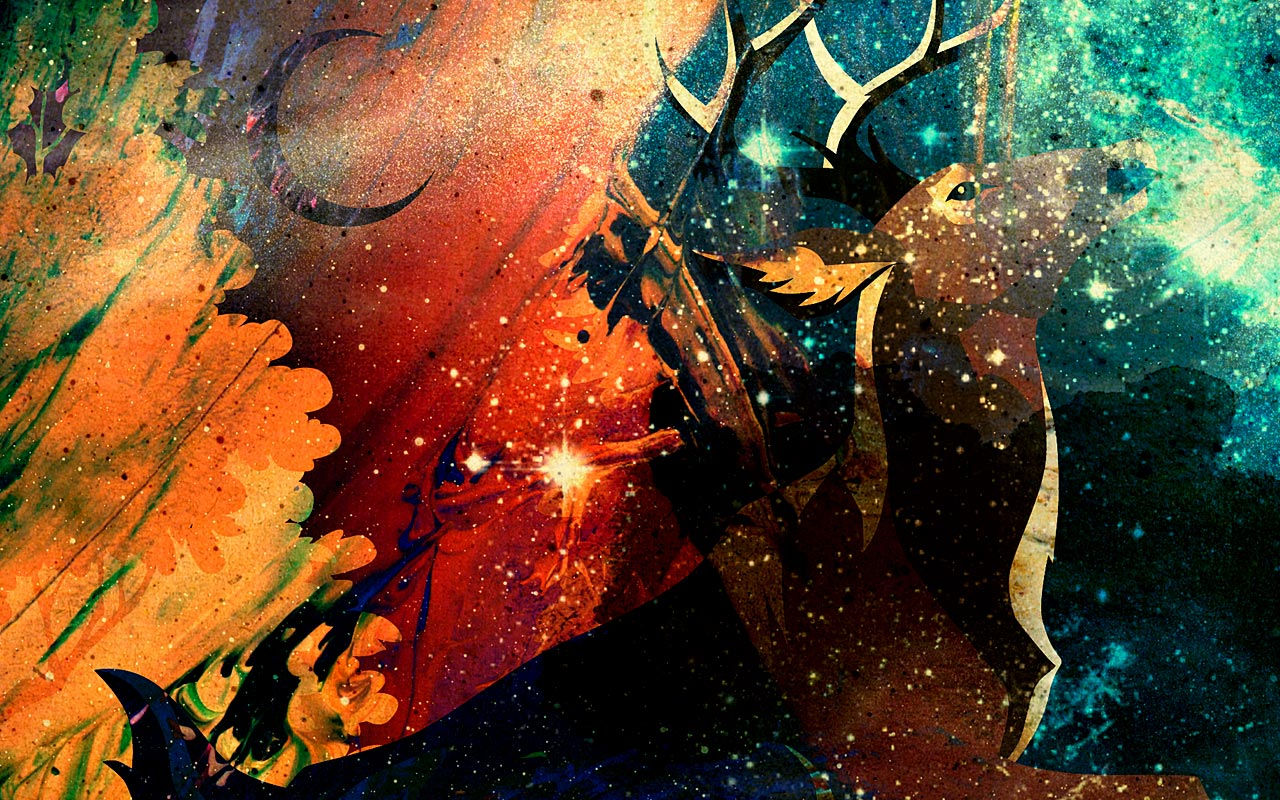
Art specifically the kind I have been creating since last year in the form of Vis-mades and Fornos under the umbrella of my company, L-art also gives rise to visions. It transcends boundaries and offers space for the new. In the truest sense, Fornos and Vis-mades are visualized language something that can be intuitively grasped by everyone and has the power to inspire positive action. :D


